What Makes Dubai Unforgettable: A Detailed Exploration
Intro
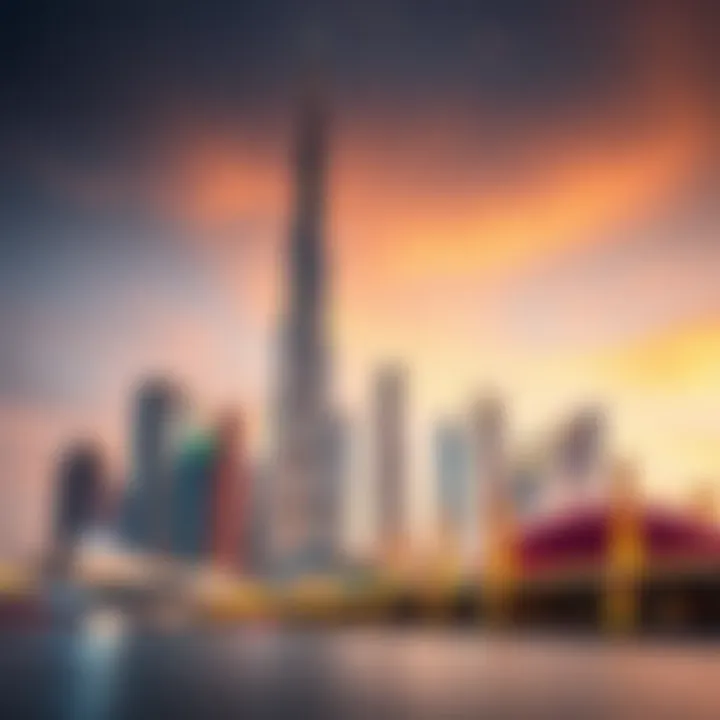
Dubai, a city that often rekindles imaginations and sculpts dreams, stands as a beacon of modernity nestled within the ancient sands of the Arabian Peninsula. From its skyline punctuated by towering skyscrapers like the Burj Khalifa to its opulent shopping malls and vibrant souks, Dubai is a magnificent tapestry woven together with threads of culture, ambition, and entrepreneurship. It represents more than just a destination; it embodies a lifestyle—a hub where East meets West while forging a path towards the future.
Every corner of this emirate tells a story—not just of architectural triumphs or economic prowess, but of the melting pot of cultures that define its very essence. From the diverse assortment of nationalities inhabiting the city to the array of cuisines available, Dubai offers an experience unlike any other.
In this exploration, we will delve into the factors that form the cornerstone of Dubai's reputation. We will particularly focus on the real estate market, which is not just buoyant, but a real attraction for investors around the globe. With each section, we will dissect the elements that make Dubai not only memorable but also an intelligent choice for investment and residency.
The sections to follow will cover an overview of the current market trends affecting real estate, along with insights into emerging opportunities. Whether you are a seasoned investor or a novice looking to dip your toes in the property pool, understanding these dynamics is crucial.
With that in mind, let’s transition into our first major topic:
Market Trends and Insights
Current Dubai Real Estate Market Overview
Dubai’s real estate market is experiencing a resurgence that’s nothing short of exciting. The aftermath of the pandemic revealed areas of opportunity previously overlooked. Properties that once stood vacant are now hot commodities—particularly in areas like Dubai Marina and Downtown Dubai.
In broad strokes, the market has demonstrated resilience, buoyed by government regulations that encourage foreign investment. New visa incentives aimed at attracting long-term residents, such as the Golden Visa scheme, are redefining who can call Dubai home, effectively broadening the buyer base.
As such, demand outstrips supply, leading to upward price trajectories not seen before. In the luxury segment, for instance, villas and premium apartments have noted unprecedented growth in value, reflecting an enticing investment landscape.
Emerging Trends Impacting Property Investments
Several trends are influencing the current climate of the Dubai property market:
- Sustainability Initiatives: The increasing spotlight on sustainable living has prompted many developers to integrate ‘green’ technologies into their projects.
- Smart Technologies: Properties equipped with cutting-edge technology to enhance living experiences are rising in demand.
- Cultural Experiences: Developments that offer a blend of luxury and authenticity are appealing to more discerning buyers, prompting a surge in mixed-use projects.
Each of these trends serves to make Dubai not only a livable city but a compelling place for savvy investors to consider.
According to a recent report by Knight Frank, property sales in Dubai achieved a 50% increase in 2021, underlining the resurgence that many had predicted.
"Dubai’s property market is not just resilient. Today, it serves as a prime example of how adaptability and strategy can reshape an entire economic landscape."
Investment Opportunities
Now, let’s explore some of the tantalizing opportunities awaiting potential investors.
Hot Property Listings in Dubai
Across the emirate, several properties stand out, each offering unique investment opportunities:
- Palm Jumeirah: Luxury waterfront villas that promise unparalleled views and lifestyle.
- Downtown Dubai: Modern apartments within walking distance of Burj Khalifa and the Dubai Mall.
- Dubai Hills Estate: Properties located in a meticulously planned community that combines residential living with incredible recreational facilities.
Tips for Investing in Dubai Real Estate
Before diving in, consider these essential tips:
- Research Market Dynamics: Familiarize yourself with current trends to make informed decisions.
- Engage Local Experts: Collaborate with real estate agents who are well-versed in the Dubai market to uncover hidden gems.
- Understand Regulations: Ensure clarity on ownership laws, especially for foreign buyers, to navigate the process smoothly.
In approaching Dubai’s real estate market, it’s vital to blend intuition with intelligence. The opportunities are manifold, but so are the challenges if one is not adequately prepared.
The landscape is dynamic, and with every real estate deal, there is a story waiting to be told, and a chapter yet to be written.
Prelude to Dubai
Dubai stands out like a glittering gem in the vast desert landscape, representing an alluring blend of history, culture, and innovation. It’s not just a city; it serves as a global symbol of opportunity and modernity. This section aims to provide a foundational understanding of what makes Dubai special and sets the stage for deeper exploration of its myriad attractions and investment prospects. Whether you're a real estate agent, investor, or homebuyer, grasping the essence of Dubai is key to navigating its vibrant market.
Historical Overview
The story of Dubai is one that weaves together tradition with ambition. Initial settlements date back to the early 18th century when the region thrived on trade, thanks to its strategic location along crucial maritime routes. The humble origins of Dubai as a small fishing village can seem like a distant memory, yet the history is vital in understanding the cultural fabric of the emirate.
In the mid-20th century, this small town began to awaken, primarily fueled by oil discoveries. The wealth brought about by oil transformed Dubai, leading to rapid advancements in infrastructure and public services. One need only look at the Al Fahidi Historical Neighborhood, which gives a glimpse into the architectural style of the era. The wind towers—traditional air-conditioning systems—serve not only as an architectural marvel but signify the innovative spirit that has flourished in Dubai over time.
"Dubai's heritage is not merely a chapter in its history; it's the backbone that shapes its innovative future."
Modern Development
Today's Dubai is a striking contrast to its historical roots, representing a city that has embraced modernization like no other. The skyline is punctuated by towering structures and innovative designs, each competing for attention. The Burj Khalifa, the tallest building in the world, is not just a landmark; it's a testament to human ambition and engineering prowess.
Dubai has turned itself into a global hub for tourism, finance, and real estate. This drastic transformation can be attributed to strategic planning and investment in various sectors. The Dubai Free Zones have also played a pivotal role in attracting foreign investments by providing incentives like tax exemptions and regulatory ease.
As a result, sectors such as hospitality, technology, and trade have seen considerable growth. Investing in Dubai isn't just about property anymore; it encompasses broader economic dynamics that create a fertile environment for investors. The focus on sustainability and innovation is evident in initiatives like the Dubai Clean Energy Strategy 2050, which aims to make Dubai a global center for green innovation.
In summary, understanding Dubai’s historical journey and modern growth provides valuable insights. It's this rich tapestry of tradition and modernity that lays the foundation for everything that follows in the discourse about what makes this city unforgettable.
Architectural Wonders
Dubai's skyline is a breathtaking tapestry of innovation and ambition. It showcases architectural wonders that not only define the city but also embody its spirit of progress. These structures have become landmarks, symbols of the opulence and resilience of a nation that rose from the desert. The architectural marvels in Dubai are not merely about aesthetics; they represent the convergence of advanced engineering, sustainability, and cultural narratives unique to the region. These buildings influence real estate dynamics, attract global tourism, and serve as touchstones for future developments, making the segment of architectural wonders essential in understanding what makes Dubai unforgettable.
Burj Khalifa
Standing at a staggering height of 828 meters, the Burj Khalifa is more than just a skyscraper; it's a statement of what human ingenuity can achieve. Completed in 2010, it holds the record for the tallest structure in the world. Its sleek, shimmering glass facade reflects the sun and the surrounding landscape, creating a visual allure that is hard to miss.
The Burj isn’t just about height; it’s a hub for business and luxury living. With apartments, offices, and the prestigious Armani Hotel inside its walls, it epitomizes Dubai's lifestyle. The observation decks on the 124th and 148th floors offer panoramic views that are simply out of this world. Visitors often describe the experience as exhilarating—seeing the city laid out like a glittering jewel against the vast desert.
Investors see the Burj Khalifa as a cornerstone of Dubai's real estate landscape. Properties in its vicinity boast significant value appreciation, driven by high demand for luxury residences and commercial spaces. Its unique status in global tourism and business attracts continuous interest, making it a noteworthy point for any serious investor.
The Palm Jumeirah
The Palm Jumeirah stands as a testament to Dubai’s developmental audacity. Shaped like a palm tree, this artificial island stretches into the Arabian Gulf and is a marvel of engineering. Launched in the early 2000s, it showcases a blend of luxury resorts, upscale residences, and vibrant recreational areas.
This iconic structure isn't just for show; it's also an attractive investment opportunity. The residences on the palm, from lavish villas to luxurious apartments, attract affluent buyers from around the globe, eager to own a piece of this engineered paradise. Notably, properties here have increased in value, fueled by the island’s exclusivity and the continued influx of tourists to its luxurious hotels and beaches.
Culturally, The Palm Jumeirah offers something for everyone. It is home to a range of attractions, including world-class dining, beach clubs, and leisure facilities, further solidifying its position as a premier lifestyle destination.
Dubai Marina


Dubai Marina is another monumental achievement in the architectural landscape of the city. This man-made canal city, developed in the early 2000s, embodies modern living infused with convenience and luxury. Spanning over two miles along the coastline, the Marina features high-rise skyscrapers, waterfront dining, and vibrant nightlife.
The prominent residential towers, each with unique designs and aesthetics, provide stunning views of the marina and the serene waters. This draws not only homebuyers but also renters looking for a chic lifestyle characterized by an array of amenities like gyms, pools, and shopping centers.
From a real estate perspective, Dubai Marina is one of the most sought-after areas to invest in, thanks to its position as both a residential and commercial hub. The foot traffic from tourists visiting nearby attractions creates strong demand for rental properties, making it a potentially lucrative area for real estate investors.
"Dubai's architectural innovations, like the Burj Khalifa and Palm Jumeirah, not only symbolize its luxurious lifestyle but also present remarkable investment opportunities within the real estate market."
In summary, the architectural wonders of Dubai make it a city of dreams—both for those who wish to visit and for those looking to invest. With each structure telling a unique story of ambition and inspiration, they continue to attract people from all walks of life, solidifying Dubai's reputation as a destination like no other.
Cultural Diversity
Dubai stands as a glowing testament to the power of cultural diversity, where various ethnicities and traditions intersect to create a unique social tapestry. The significance of cultural diversity cannot be overstated in a city that has developed into a global hub for commerce, tourism, and innovation. In Dubai, about 89% of the population comprises expatriates from different corners of the world. This amalgamation of cultures generates a vibrant atmosphere, rich with different languages, cuisines, and customs that fosters innovation and collaboration, both socially and economically.
This melting pot of cultures offers several benefits. Firstly, it promotes a broader understanding of global perspectives. Expats bring their customs and traditions, which not only enriches the local culture but also helps to create an environment of tolerance and acceptance. This contributes to a dynamic business landscape, where different ideas can flourish and collaboration is the rule rather than the exception. Investors looking at Dubai can see first-hand how diverse influences contribute to creativity in advertising, product development, and customer service.
Moreover, cultural diversity enhances the appeal of Dubai as a tourist destination. Visitors find themselves immersed in a mosaic of sights and sounds, from the bustling souks showcasing spices and jewelry to the array of international restaurants offering everything from sushi to samosas.
Ethnic Composition
The ethnic composition of Dubai is one of its defining features. Approximately 200 nationalities reside within the city, which leads to a mix of traditions and lifestyles that is rare in most parts of the world. This does not just manifest in the language spoken; it extends to festivals, culinary options, and lifestyle choices.
For example, neighborhoods like Satwa and Karama reveal the heart of Indian and Pakistani cultures through their food and community events. Visitors can witness the colorful celebrations of Diwali or the lively Eid festivities, which offer a glimpse into the traditions that shape the lives of their residents.
The prominent presence of Europeans, Arabs, and Asians creates a rich blend of cultural practices, making Dubai a place where one can experience a broad spectrum of rituals from various parts of the globe. The ethnic composition is noteworthy not only because of its variety but also due to how harmoniously these different groups coexist.
Cultural Festivals
Cultural festivals play a crucial role in showcasing and celebrating this diversity. Events such as the Dubai Shopping Festival and the Dubai International Film Festival attract a mix of cultures, promoting unity through shared experiences. The Dubai Food Festival, for instance, brings together culinary delights from different nations, highlighting the gastronomic diversity that characterizes the city.
These festivals don’t just benefit attendees; they also provide significant opportunities for local businesses and investors. When cultures come together to share their traditions, it leads to increased foot traffic in various sectors, thereby benefiting those involved in retail, hospitality, and entertainment.
The cultural festivals in Dubai act as bridges connecting different nationalities while spurring economic growth and community engagement.
In summary, the cultural diversity in Dubai is not only a source of richness and vibrancy but also a strategic component contributing to its status as a global hub for trade and tourism. It is essential for real estate professionals and investors to appreciate this aspect, as it offers a glimpse into future trends as the city continues to grow and evolve.
Luxury Shopping Experience
The luxury shopping scene in Dubai is nothing short of extraordinary, blending opulence with an engrossing shopping experience that is cherished by locals and tourists alike. This aspect is crucial to understanding Dubai's multifaceted identity, which harmonizes modernity with a touch of tradition. Dubai is a haven for shoppers; it beckons those who appreciate luxury, style, and exclusivity.
Dubai Mall
Often regarded as the crown jewel of Dubai's retail landscape, Dubai Mall stands as one of the largest shopping centers in the world. Spanning over 1.1 million square meters, it houses more than 1,200 retail outlets, offering a range that caters to both high-end brands and eclectic boutiques. Among the luxury retailers, you’ll find names like Chanel, Gucci, and Louis Vuitton, each store an epitome of sophistication, showcasing the latest in fashion.
Shopping in Dubai Mall is not merely about purchasing products; it’s an experience that includes delightful dining options and captivating entertainment. A shopper can indulge in gourmet meals at upscale restaurants or enjoy breathtaking views of the Dubai Fountain right outside. The atmosphere hums with excitement, especially during the Dubai Shopping Festival, where grand sales and promotions attract a bustling crowd from around the world.
As you stroll through its lavish halls, it's easy to see why the mall serves as a social hub and a tourist magnet. With attractions like the Dubai Aquarium and the VR Park, it goes beyond just shopping—creating a vibrant environment that caters to all senses.
Traditional Souks
In stark contrast to the glitzy malls, the traditional souks present a charming glimpse into Dubai’s rich cultural heritage. The Gold Souk, for instance, dazzles visitors with its array of gold jewelry, each piece telling a story of craftsmanship and artistry. Haggling is not just acceptable but expected, creating an engaging experience as buyers and sellers spar over prices. The air is filled with the rich aroma of spices in the Spice Souk, where merchants offer everything from saffron to za'atar, adding a touch of vibrancy to the atmosphere.
Exploring these markets provides an authentic experience of what Dubai used to be before the rise of skyscrapers and luxury retail chains. Walking through the narrow lanes, adorned with intricate architecture, one feels a sense of nostalgia, almost reminiscent of times gone by. Souks offer not just products but memories, keepsakes, and connections to a deeper cultural narrative.
"In Dubai, shopping isn’t just a transaction; it’s a lavish affair—one that weaves together cultures, traditions, and a flair for the extravagant."
For more information about the luxury shopping experience in Dubai, check out the detailed articles on Wikipedia or visit Britannica.
Looking to invest? The unique duality of luxury shopping in Dubai makes it a key element in understanding the real estate market and the growth of tourism in the region.
Real Estate Market Dynamics
The real estate market in Dubai plays a pivotal role in shaping its economic landscape, drawing attention from buyers and investors worldwide. With a sky-high skyline and breathtaking developments, it reflects not just architecture but an aspiration that many wish to partake in. Understanding the dynamics of this market is crucial for anyone looking to navigate its opportunities or challenges.
Current Trends
The dynamics of the Dubai real estate market are constantly evolving. Recent trends show a significant shift toward sustainability and smart living. Green buildings, often embedded with energy-efficient technologies, are becoming more popular among developers and buyers alike. Investors are now searching for properties that not only provide luxury but also promise environmental responsibility.
Some current trends include:
- Smart home technology: Integrating technology into homes to enhance convenience and efficiency.
- Affordable housing: An increasing focus on providing more accessible living options for a broader population.
- Short-term rental markets: Platforms like Airbnb have made it easier for homeowners to capitalize on tourism, leading to more investments in furnished and serviced properties.
Investors are particularly interested in off-plan properties, as they often allow for better pricing and terms. Sites like Property Finder keep track of such trends and enable buyers to stay updated.
Investment Opportunities
When delving into investment opportunities in Dubai's real estate market, one must recognize the diversity available. Whether one prefers high-glamour urban living or serene suburban environments, Dubai caters to all tastes. Below are key areas ripe for investment:
- Emerging districts: Neighborhoods like Dubai Creek Harbour and Dubai South are gaining traction as developers flock to create vibrant living spaces, making them ideal spots for early investment.
- Luxury developments: The market for high-end properties like those in Downtown Dubai continues to attract affluent buyers, promising potentially high returns.
- Commercial properties: With businesses thriving, there is strong demand for office spaces and warehouses, particularly in free zones which offer various tax incentives.
Investors may want to keep an eye on upcoming regulatory changes which could open new avenues or create challenges. Websites like Dubai Land Department provide valuable insights into rules and regulations, offering clarity that is critical for making informed decisions.
"Dubai’s property market is a landscape of opportunity, but success requires careful navigation through its complexities."
Thriving Business Environment
Dubai distinguishes itself as a beacon for business enthusiasts and investors, showcasing a prevailing atmosphere rich in opportunity and renewal. The city’s strategic location serves as a gateway between East and West, effectively positioning it as a vital trading hub. With a business-friendly approach, Dubai lures entrepreneurs from all edges of the globe, fostering a landscape where innovation and motivation flourish.
Free Zones
One of the standout features of Dubai’s dynamic business environment is its array of free zones. These specially designated areas grant companies numerous incentives, like full foreign ownership, zero corporate taxes, and no personal income taxes. The Dubai Multi Commodities Centre (DMCC), for instance, has earned the title of one of the most successful free zones. The setup is designed to cater to a myriad of businesses—from trading companies to tech startups. This flexibility attracts various industries, enabling a diversified stream of revenue.
Each free zone operates under its regulatory framework, which aids in streamlining processes and minimizing bureaucracy. Setting up shop in one of these zones simplifies getting necessary permits and licenses, making it a cinch for new businesses to get their feet wet without tripping over red tape. To illustrate:
- 100% foreign ownership
- No customs duties on imports
- Full repatriation of profits
Such benefits nurture a fertile environment, enabling many aspiring entrepreneurs to convert their ideas into lucrative ventures.
Economic Diversity

Beyond the free zones, what makes Dubai’s business realm truly remarkable is its economic diversity. Unlike many cities that rely heavily on a singular industry, Dubai has constructed a robust economy supported by various sectors, including tourism, financial services, logistics, and real estate. This broad economic base is essential for resilience against global market fluctuations.
For instance, tourism dramatically contributes to Dubai’s economic growth. Landmarks like the Burj Khalifa and the Palm Jumeirah draw millions, impacting various sub-industries such as hospitality and retail. The city consistently ranks as a top tourist destination, ensuring a constant influx of cash and a thriving local economy. Furthermore, recent trends show a marked increase in technology and sustainable practices—an essential pivot towards future-proofing.
The mix provides security and opportunity. In a robust business environment, a potential investor can enter with confidence, knowing that horizons present growth on multiple fronts. The versatility ensures that downturns in one sector can often be mitigated by strength in another.
"The UAE's economy continues to expand, diversifying away from oil and into tourism, technology and renewable energy."
For those looking to tap into this environment, careful exploration and understanding of the unique local landscape will yield valuable insights and opportunities.
For further insights, check out the Dubai Investment Development Agency for specifics on investment regulations and guidelines.
Tourism Highlights
Tourism serves as a cornerstone for Dubai’s identity, transforming it into a global hub that attracts millions of visitors each year. The city’s unique blend of modernity and tradition manifests through its wide array of offerings, including adventure activities and culinary experiences. This section elucidates the significance of tourism in Dubai, outlining how these highlights not only enhance visitor experience but also stimulate economic growth.
Adventure Tourism
Adventure tourism in Dubai is anything but ordinary. The city is a veritable playground for thrill-seekers, providing activities that range from indoor skiing at Ski Dubai to dune bashing in the vast Arabian Desert. For those who crave an adrenaline rush, skydiving over the iconic Palm Jumeirah is an unparalleled experience. Imagine free-falling over a man-made wonder while soaking in the breathtaking views below.
- Dune Bashing: Hop in a 4x4 and conquer the impressively high desert dunes. This experience isn’t just about speed; it’s about mastering the dynamics of the shifting sands.
- Indoor Skiing: Skiers and snowboarders can relish the chance to hit the slopes in the desert. Ski Dubai offers a unique contrast, allowing visitors to enjoy snow activities while surrounded by scorching temperatures outside.
- Cultural Safaris: Engage with local traditions as you explore Bedouin-style camps. The cultural aspects of adventure tourism showcase Dubai’s rich heritage.
Adventure tourism not only draws tourists but also promotes local businesses within these sectors, thereby contributing to the overall economy.
Culinary Experiences
When it comes to culinary delights, Dubai spoils visitors for choice. The city is a melting pot of flavors, a gastronomical paradise where you can savor dishes from nearly every corner of the globe. Dubai's food scene mirrors its cultural diversity, and the offerings are as much about the experience as they are about the flavor.
- Street Food: Wander through the streets and sample local delicacies such as shawarma and falafel from bustling food stalls. It’s a great way to taste authenticity as you rub shoulders with locals.
- Fine Dining: For a more upscale experience, restaurants like Nobu and At.mosphere offer sumptuous meals with a view that will leave you breathless. Dining in these places is about more than just food; it’s an experience that encompasses luxury and elegance.
- Food Festivals: Events such as the Dubai Food Festival celebrate the wide-ranging culinary landscape, featuring chefs from around the world. These occasions attract food lovers and highlight the city’s commitment to gastronomical excellence.
Dubai’s culinary experiences are critical in shaping its tourism narrative, ensuring that every palate finds satisfaction. Not only do these experiences bring in tourists, but they also encourage investment in the hospitality sector, further enhancing the city’s global reputation.
"Tourist attractions serve as beacons that draw individuals from all walks of life, fostering connections and shaping a community within the vibrant tapestry of Dubai."
As the city continues to evolve, its tourism highlights will remain an essential part of its unforgettable charm.
Sustainability Initiatives
Sustainability initiatives hold a pivotal role in shaping Dubai's future, showing the city’s commitment to both environmental stewardship and innovative urban development. In an age where climate change often takes center stage, showcasing sustainable practices and initiatives not only enhances Dubai's global reputation but also attracts a growing number of ecologically conscious investors and residents.
Green Buildings
Green buildings are one of the cornerstone elements of Dubai's sustainability agenda. Designed with an emphasis on efficiency, these structures utilize resources like water and energy more judiciously. The emirate has taken significant steps to encourage the construction of green buildings through regulations and incentives. Key features include:
- Energy efficiency: Employing technologies and materials that minimize energy consumption, like solar panels and energy-efficient HVAC systems.
- Sustainable materials: Utilizing local, recycled materials that reduce the carbon footprint associated with transportation.
- Water conservation: Implementing systems to reuse water and minimizing wastage through smart technologies.
This shift toward greener solutions resonates with the progressive worldview of potential buyers and investors. For example, many new residential and commercial properties now adhere to the Dubai Green Building Code, leading to long-term cost savings for residents and businesses alike.
Renewable Energy Projects
Notably, renewable energy projects are creating waves across Dubai, aiming to reduce reliance on fossil fuels and usher in a cleaner, greener future. The emirate has committed to producing 75% of its energy from renewable sources by 2050, showcasing its ambitious drive towards sustainability. Here are a few standout projects:
- Mohammed bin Rashid Al Maktoum Solar Park: Once completed, this solar park is expected to be the largest in the world, with a capacity of 5,000 megawatts. The park is a beacon of eco-friendly initiatives, generating power without contributing to pollution.
- Dubai Electricity and Water Authority Initiatives: DEWA has launched a variety of programs aimed at promoting solar energy adoption among residents and businesses. Through incentives and rebates, individuals are encouraged to install solar systems at homes, further decreasing their carbon footprint.
The transition to renewable energy not only enables cleaner air but also secures long-term energy independence and economic stability, an essential consideration for investors keen on future-proofing their portfolios.
Dubai’s commitment to sustainability through such initiatives fosters an attractive lifestyle while simultaneously laying a strong foundation for the continued growth of its real estate market. By integrating sustainable practices into everyday life, the city not only enhances its livability but also sets a remarkable example on a global scale, appealing to a broad array of potential stakeholders in its future development endeavors.
Healthcare and Education
In the bustling metropolis of Dubai, healthcare and education stand at the forefront of its development narrative. These sectors not only ensure the well-being and knowledge of its residents, but they are crucial in attracting skilled professionals and families from around the globe. With an increasing influx of expatriates, the emphasis on quality healthcare and educational facilities adds an appealing layer to Dubai's allure, particularly for potential investors in real estate. Both healthcare and education serve as foundational pillars that contribute greatly to the overall quality of life, making Dubai more than just a hub for business and luxury.
Healthcare Facilities
Dubai boasts a healthcare system that is both advanced and accessible. The city is home to a multitude of public and private hospitals, clinics, and specialized centers. Notably, Dubai Health Authority (DHA) oversees public health services, ensuring that a wide array of resources are available to all residents.
Some of the key features of Dubai's healthcare system include:
- State-of-the-art technology: Facilities like Dubai Healthcare City, which hosts numerous hospitals and clinics, utilize the latest medical technologies, promoting innovative treatments and surgeries.
- Highly trained professionals: The healthcare workforce in Dubai includes doctors and nurses with qualifications from around the world. This diversity ensures a wide range of expertise and knowledge, catering to the unique needs of the population.
- Insurance coverage: Mandatory health insurance for residents means that healthcare services are more accessible, allowing both locals and expats to seek medical attention without excessive out-of-pocket expenses.
Moreover, the city frequently invests in enhancing its healthcare services through various initiatives and collaborations with international medical institutions. Such efforts not only fortify Dubai's position as a healthcare destination but also attract medical tourism, a field that's steadily growing.
"Investments in healthcare are investments in the fabric of society. They enable the populace to thrive and, in turn, boost the economy."
Educational Institutions
The educational landscape of Dubai is equally robust. It features a combination of public schools, private international schools, and universities that draw students from diverse cultural backgrounds. The commitment to education in Dubai can be seen through initiatives such as Knowledge and Human Development Authority (KHDA), which regulates and enhances educational standards in the emirate.
Some notable aspects of education in Dubai include:
- International curriculum options: Schools in Dubai offer an impressive range of curricula, including the British, American, and International Baccalaureate (IB) programs. This variety allows parents to choose institutions that align with their educational philosophies and expectations.
- Higher education institutions: Dubai is home to prestigious universities, such as American University in Dubai and University of Dubai. These institutions provide advanced degrees and foster research initiatives, contributing to a knowledgeable workforce that is attractive to employers.
- Extracurricular focus: The emphasis on holistic education encourages students to participate in various extracurricular activities, preparing them for the complexities of modern life.
As families consider relocating to this vibrant city, the availability of educational and healthcare facilities becomes a significant factor. They not only seek quality but also assurance that their children will receive world-class education and care, thus fostering a greater sense of security for their investment in real estate.
Transportation and Infrastructure
Transportation and infrastructure form the lifeblood of a city's connectivity and growth, and in Dubai, this significance is heightened manifold. This bustling metropolis is not just a modern marvel in terms of architecture and luxury but also boasts a well-coordinated transport network that facilitates movement both for residents and visitors alike. An effective transportation system is paramount, especially in a rapidly evolving economic landscape. Here, we shall shed light on the various elements that make Dubai's transportation infrastructure not merely functional but truly exceptional.
Public Transport System
Dubai's public transport system is a testament to its commitment towards enhancing urban mobility. With an extensive network of buses, the metro, and water taxis, getting around the city is as easy as pie. The Dubai Metro, launched in 2009, stands out as one of the longest automated metro systems in the world.
- Convenience: The metro is reliable, punctual, and spotless, making it a preferred choice among daily commuters. The availability of air-conditioned coaches provides respite against the sweltering heat during summer.
- Affordability: Ticket prices are relatively low, catering to every budget. Whether you are a tourist or a local, the cost-effective fares allow convenient access to key attractions.
- Integrated Services: The metro links seamlessly with other modes of transport, including trams and buses, ensuring that passengers have multiple options to reach their destinations without a hitch.
One cannot overlook the water taxis that sail across Dubai's picturesque waterways. These boats offer a scenic route rather than just a means to an end. The journey not only allows navigation through the city's canals but serves as a mini-excursion, showcasing Dubai's beautiful skyline from a different angle.
Airport Connectivity
When discussing Dubai, the words 'hubs of connectivity' often spring to mind, and the city's airports are prime examples of this notion. The two main airports, Dubai International Airport (DXB) and Al Maktoum International Airport (DWC), are crucial not just for tourism but also for business travel.


- Global Reach: DXB is one of the busiest airports in the world and connects over 200 destinations across 100 countries, emphasizing Dubai's role as a global hub. This connectivity makes it a hotspot for travelers and investors alike.
- Luxury Experience: Passengers often rave about the facilities offered at DXB, ranging from high-end shopping and dining experiences to luxurious lounges. Such amenities cater to the discerning traveler and enhance the overall journey.
- Future Expansion: With the continual growth in passenger volume, plans are underway for further expansions at both airports. This not only indicates foresight concerning infrastructural development but also the GDP potential of Dubai as a tourism and business powerhouse.
"A well-developed infrastructure is not simply a necessity; it’s a promise for growth and access."
Property Management Trends
As we navigate through the complexities of Dubai's property landscape, understanding the current property management trends becomes essential for investors and homeowners alike. This section sheds light on the evolving practices in property management that directly impact the real estate market in Dubai, offering insights into the advantages and considerations for stakeholders.
Technological Innovations
In the realm of property management, technological innovations have become the bedrock of efficiency and effectiveness. A notable trend in Dubai is the adoption of advanced software and applications that facilitate the management process. For instance, platforms like Property Finder and Bayut are not just listing services but also include features for property management, enabling owners to track their investments, receive updates, and communicate with tenants seamlessly.
Moreover, the integration of smart home technologies is transforming residential properties into intelligent living environments. Smart thermostats, security systems, and home automation solutions are making properties more appealing to tech-savvy buyers and renters. Landlords can now offer enhanced comfort and security, which consequently increases tenant satisfaction. The potential for continuous data collection also allows for better decision-making based on usage patterns and preferences.
Key Benefits of Technological Innovations:
- Efficiency: Automating routine tasks like rent collection and maintenance requests saves time.
- Enhanced Communication: Instant messaging features reduce delays in handling tenant issues.
- Data Insights: Analysis of property usage trends helps in optimizing rental pricing.
Regulatory Changes
Regulatory changes in Dubai's property market are another crucial aspect influencing property management practices. The government has implemented various laws and regulations aimed at stabilizing the real estate sector, ensuring both tenant rights and investor protections. These changes have notably impacted management strategies.
For instance, the introduction of the Real Estate Regulatory Agency (RERA) laws has established clear guidelines for landlords and tenants. This transparency lays down the rules of engagement, from rental contracts to maintenance responsibilities. Property managers are now more focused on compliance, ensuring that their operations align with the legal expectations set forth by RERA.
Additionally, there has been a push towards regulating the short-term rental market. With platforms like Airbnb gaining traction, new regulations require property managers to adhere to specific codes of conduct regarding vacation rentals, impacting how properties are marketed and managed. For property investors, staying informed on these shifts is critical.
Considerations for Stakeholders:
- Compliance: Understanding laws ensures smooth operations and avoids penalties.
- Market Adaptation: Staying updated allows investors to adjust strategies accordingly.
- Long-term Sustainability: Engaging with regulations fosters trust between landlords and tenants.
Overall, keeping a finger on the pulse of these trends in property management isn't just wisdom; it's a necessity for anyone looking to thrive in Dubai's vibrant real estate market. Staying informed and adaptable will not only impact individual investments but also contribute to the broader health of the property market in Dubai.
Community Living
Community living in Dubai stands as a cornerstone of what makes the city distinct. The emphasis on creating a sense of belonging, security, and collaboration is reflected in various residential developments. The lifestyle here caters not only to individual comfort but fosters a collective spirit among residents. It creates a uniquely inviting atmosphere that sets the stage for diverse interactions and shared experiences.
Neighborhood Developments
Neighborhoods in Dubai come with their unique flavor. Whether you’re eyeing the historical charm of Al Fahidi or the modern allure of Downtown Dubai, each area has its character and offerings. Here are some notable developments:
- Jumeirah: A coastal gem, well-known for its lavish villas and proximity to the beach. It blends relaxation and luxurious living.
- Dubai Hills Estate: A master-planned development that combines residential units with green parks, cycling tracks, and retail outlets. It’s crafted for those who appreciate a lifestyle interwoven with nature.
- Arabian Ranches: Offers a community feel with spacious homes, golf courses, and family-friendly amenities. This area is ideal for families looking to settle in a peaceful environment.
These developments illustrate how Dubai emphasizes creating integrated communities rather than mere housing clusters. Each neighborhood not only appeals to buyers but offers a lifestyle choice that encourages socialization, which is essential in a multicultural city.
Lifestyle Options
Living in Dubai isn't just about having a roof over one’s head; it’s a multifaceted experience. The lifestyle options available are vast and appealing, catering to various tastes and preferences. In Dubai, you can find:
- Culinary Diversity: From street food to fine dining, every corner has an eatery that represents some corner of the globe. You'll savor flavors from across Asia, Europe, and the Middle East.
- Recreational Activities: With numerous parks, beaches, and recreational facilities, there's no shortage of options for outdoor enthusiasts. The Dubai Marina promenade is perfect for jogging, while Kite Beach offers sunbathing and water sports.
- Cultural Enrichment: Residents can attend international art shows, music festivals, and theatrical performances. Places like the Dubai Opera and Alserkal Avenue showcase the city’s burgeoning cultural scene.
The blend of these lifestyle options contributes immensely to what living in Dubai can offer, turning simple existence into a rich and vibrant experience.
In essence, community living in Dubai encapsulates more than physical structures; it fosters relationships and networks that define a modern urban lifestyle. Residents are not just securing property but investing in a way of living that is interconnected and full of opportunities.
Future Prospects
Understanding the future prospects of Dubai is crucial for anyone invested, or considering investing, in this vibrant city. The landscape is ever-changing, and aligning with its future allows investors and stakeholders to strategically position themselves. Whether it’s the dynamic real estate market or the constant influx of innovation and technology, Dubai has a way of turning challenges into opportunities.
Dubai’s forward-thinking policies and ambitious visions set the stage for sustained growth. The city is not merely a destination; it's becoming a hub for global business and innovation. Therefore, recognizing what lies ahead can offer insights into how the property market might evolve and where the best investments might materialize.
Market Projections
As we look ahead, market projections reveal a landscape filled with potential. Economists predict a steady growth in property prices, fueled by a range of factors. The upcoming World Expo and the ongoing developments in various sectors enhance the attractiveness of real estate in Dubai.
- Positive Economic Indicators: Consistent GDP growth and a stable job market contribute to a higher demand for housing.
- Infrastructure Plans: Major projects like Dubai Creek Tower and further expansions to public transport are set to reshape connectivity.
- Regulatory Enhancements: Continued improvements in property laws, along with increased foreign ownership percentages, are likely to draw international investors.
With these factors in play, the market seems poised for a potential upswing, benefiting both existing property owners and prospective buyers.
Emerging Trends
The trends forming in Dubai's property market are reflective of broader changes in global urban living. The emphasis on sustainability and technological integration in real estate showcases a future that prioritizes livability and environmental consciousness.
- Eco-Friendly Developments: More eco-friendly homes and buildings are being built with sustainability at the forefront. This aligns with Dubai’s vision of a greener economy.
- Smart Technology: The emergence of smart homes and buildings is transforming how residents interact with their living spaces. Boosted by the city’s embrace of technology, these developments are increasingly attractive to the younger generation.
- Flexible Workspaces: With a rise in remote working, there’s a growing demand for adaptable spaces that can serve both home and office purposes.
"The future belongs to those who believe in the beauty of their dreams." - Eleanor Roosevelt
For further insights into market trends, consider visiting resources like Dubai Land Department or industry analyses on Gulf News.
Final Remarks
The essence of final remarks in this article rests upon drawing together the multiple threads that weave the narrative of Dubai's allure. These concluding thoughts serve to crystallize the key insights covered while steering the minds of readers into reflective contemplation. With a vibrant mix of culture, cutting-edge architecture, and an ever-evolving business landscape, Dubai has positioned itself not just as a tourist hotspot, but as a serious contender in the global real estate arena.
Throughout this exploration, we have examined how the city commands attention for its architectural triumphs, from the astonishing heights of the Burj Khalifa to the luxurious expanse of the Palm Jumeirah. Yet, the real story goes beyond looks alone; we also discussed the cultural kaleidoscope that enriches the fabric of society here. This unique blend is a considerable attractor for both tourists and investors, marking it as a locale rich with opportunity.
Moreover, the economic environment of Dubai offers a fertile ground for real estate dynamics. Investors should keep in mind that the potential for growth in both residential and commercial sectors here is exceptionally high. However, one must also consider the fluctuations and nuances of property management trends to navigate this landscape effectively. The multifaceted nature of Dubai's economy only emphasizes its role as a beacon for those seeking investment opportunities in a lucrative market.
In summary, the importance of these final remarks lies in recognizing how each discussed element contributes to Dubai’s unforgettable persona. These insights prepare investors and home buyers alike to align their strategies with the unique opportunities available in this dazzling city.
“Dubai is not just a place; it's an experience, an opportunity, and a future all rolled into one.”
Summation of Key Points
- Architectural Wonders: Iconic structures like the Burj Khalifa and Palm Jumeirah redefine urban landscapes.
- Cultural Diversity: A melting pot of nationalities enriching the cultural tapestry, making community engagement indispensable.
- Economic Landscape: A strong foundation in multiple sectors allows for expansive growth potentials for investors.
- Luxury Lifestyle: High-end retail experiences mingled with traditional elements bring a unique shopping experience.
- Sustainability Initiatives: Ongoing efforts in environmentally friendly projects showcase a commitment to responsible growth.
Call to Action for Investors
Dubai remains an attractive haven for those in the investment world. With its undeniable charm and practical offerings, it calls out to real estate agents, savvy investors, and homebuyers to engage and think big. The time to act is now, as early movers may benefit from lower entry points and advantageous market conditions.
Consider these upcoming trends:
- Emerging Hotspots: Areas like Dubai Creek Harbor and Mohammed bin Rashid City promise solid returns for forward-thinking investors.
- Regulatory Changes: Staying updated with local laws and regulations can provide a competitive edge in the market.
- Technological Integration: Embracing smart home technologies can enhance property appeal and operational efficiency.
In this fast-paced environment, keeping your finger on the pulse can lead to rewarding investments. By keeping a vigilant eye on developments and opportunities within this vibrant city, investors can position themselves to harness the true potential that Dubai offers.
For a deeper dive into Dubai's investment opportunities, check out the full analysis at Invest Dubai.