Exploring Souk Al Marfa: Commerce and Culture in Dubai
Intro
Nestled within the vibrant Deira Islands, Souk Al Marfa stands as a beacon of commerce and cultural exchange, weaving together the rich heritage of Dubai with its modern ambitions. This bustling marketplace not only showcases local artisans and international products but also plays a critical role in the evolving dynamics of the Dubai real estate landscape.
As the UAE continues to solidify its position as a global hub for trade and tourism, understanding the significance of places like Souk Al Marfa becomes paramount. With its unique blend of traditional design and contemporary amenities, this venue reflects both the charm of old souks and the aspirations of a rapidly modernizing city.
In this exploration, we will dig deep into the marketplace's architecture, diverse offerings, and implications for investment opportunities. By gaining insight into the intertwining of culture and commerce within Souk Al Marfa, stakeholders will find themselves better equipped to navigate the intricate tapestry of Dubai’s property market.
Market Trends and Insights
Current Dubai Real Estate Market Overview
The real estate market in Dubai has seen substantial fluctuations in recent years, driven by various economic factors, tourism patterns, and shifts in consumer preferences. The current landscape indicates a burgeoning interest in mixed-use developments, especially those that cater to both residential needs and commercial activities.
Additionally, the government’s strategic focus on increasing foreign investment by easing regulations has led to a surge in property purchases among international buyers. Properties near major attractions, like Souk Al Marfa, have gained particular favor, given their potential for high foot traffic and rental income.
Emerging Trends Impacting Property Investments
Keeping an ear to the ground, several trends are surfacing in connection with Dubai's real estate.
- Sustainability Initiatives: Developers are increasingly incorporating eco-friendly designs. Properties that focus on green building certifications often attract premium prices.
- Technological Integration: Smart home technology is becoming a nearly universal feature in new developments, appealing to tech-savvy residents.
- Community-Centric Designs: There's a noticeable shift towards creating spaces that promote community living, with mixed-use developments blending residential and retail offerings.
Real estate investors would do well to recognize these trends, aligning their investment strategies accordingly.
Investment Opportunities
Hot Property Listings in Dubai
With the spotlight on developments around Souk Al Marfa, several properties stand out:
- Marina Vista: A waterfront development that not only offers residential units but also access to charming promenades and community amenities, ideal for active lifestyles.
- Dubai Creek Harbour: A burgeoning community that promises stunning waterfront views paired with a myriad of retail options.
These listings exemplify the potential for excellent returns on investment, particularly in areas defined by cultural significance and dense foot traffic.
Tips for Investing in Dubai Real Estate
When considering investments in Dubai’s real estate market, there are a few key strategies to keep in mind:
- Research Local Regulations: Familiarizing oneself with property laws can help mitigate risks and promote well-informed decisions.
- Focus on Location: Proximity to landmarks like Souk Al Marfa enhances both rental income and resale value.
- Engage Local Expertise: Connecting with real estate agents who have insider knowledge can provide a competitive edge, ensuring that buyers find the best deals.
"Investing in a vibrant cultural landscape not only elevates your portfolio but also enhances one’s lifestyle experience."
As we move forward, the potential of Souk Al Marfa as a nexus of commerce and culture will continue to shape Dubai’s real estate investment prospects, enhancing the city’s charm and commercial viability.
Preface to Souk Al Marfa
Souk Al Marfa is more than just another marketplace; it stitches together the rich tapestry of history, culture, and commerce found on Deira Islands. Nestled within a vibrant neighborhood, this souk is becoming a beacon for both locals and tourists alike, offering a unique blend of traditional values and contemporary conveniences. Understanding its essence is vital not only for potential investors but also for anyone looking to immerse themselves in the authentic cultural landscape of Dubai.
The importance of Souk Al Marfa in this article is underscored by several specific elements. First, recognizing the historical context of the area allows us to appreciate how far this corner of Dubai has come and what it signifies in terms of cultural preservation amidst modernization. Further, its architectural design encapsulates the ideals of sustainability, providing a framework that aligns with current environmental considerations.
Benefits of understanding the souk include:
- Insight into local commerce practices
- Appreciation of cultural events that enrich the community
- Awareness of investment potential as an emerging hub
Historical Context
The origins of Souk Al Marfa are deeply rooted in the traditions that characterize Dubai’s development. Historically, this space was a bustling marketplace where traders exchanged not just goods, but stories and experiences. It was here that a sense of community thrived, making it a central node in the life of the people. As Dubai evolved into a cosmopolitan city, the souk held its ground as a symbol of continuity—an echo of the past amid rapid urbanization.
The historical significance can't be overemphasized. Events, like trade exchanges of spices, textiles, and handicrafts, set the groundwork for today’s commercial dealings. This legacy continues to influence the way Souk Al Marfa operates and connects with its patrons.
Cultural Significance
Culturally, Souk Al Marfa stands as a testimony to Dubai's rich heritage. More than just a shopping destination, it's a cultural enclave that resonates with the spirit of the community it serves. Traditional music, artwork, and local culinary delights can often be found weaving their way through the marketplace, enhancing visitor experiences that go beyond mere merchandizing.
A key aspect of its cultural significance is how it serves as an accessible platform for local artisans to showcase their crafts. Unlike modern malls that often emphasize mass-produced items, Souk Al Marfa champions the uniqueness of its vendors. Visitors often leave with not just products, but a palpable sense of the values and stories behind them.
"In a world where homogenization lurks at every corner, Souk Al Marfa is an antidote—offering authenticity and cultural richness that reflects the true essence of Dubai."
In summary, the introduction to Souk Al Marfa lays the groundwork for understanding its multilayered importance. By weaving together historical context and cultural significance, this marketplace stands at the confluence of the past and future, making it a focal point for any discourse surrounding Deira Islands.
Architectural Design of Souk Al Marfa
The architectural design of Souk Al Marfa is not merely an aesthetic endeavor; it plays a fundamental role in shaping the experience for visitors and merchants alike. This marketplace is a microcosm of the rich heritage and forward-looking spirit that characterizes Dubai. It encapsulates a blend of traditional architectural elements with modern functionality, appealing to both the senses and the practical needs of commerce.
Design Inspiration
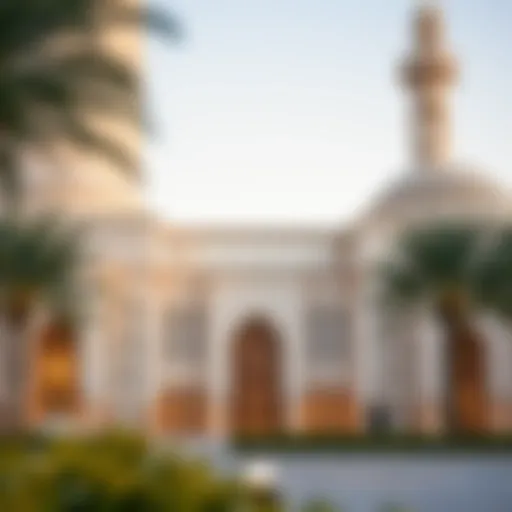
The design of Souk Al Marfa draws heavily from the historical architecture found in the traditional souks of the region. Elements such as wind towers (barjeel) provide cool breezes in the sweltering heat, showcasing a clever use of natural ventilation. The facades are adorned with intricate geometric patterns typical of Islamic architecture, creating a visual dialogue with the past.
These architectural choices do more than stand out; they tell stories. For instance, the use of vaulted ceilings resonates with the traditional markets where sunlight filters in and dances on the cobbled stones below. As visitors stroll through, they often find elements reminiscent of the bustling old markets of Dubai, while still being enveloped in modern conveniences.
"Architecture should speak of its time and place, but yearn for timelessness." A statement that rings true in Souk Al Marfa, where the blend of old and new invites deeper exploration.
Sustainability Features
Sustainability isn’t just an afterthought in the architectural landscape of Souk Al Marfa; it’s woven into its very fabric. The incorporation of green spaces within the market area not only enhances aesthetic appeal but also improves environmental quality. These gardens provide a refreshing sanctuary for visitors amid the hustle and bustle of a busy marketplace.
Moreover, sustainable materials have been prioritized in the construction process. Locally sourced building materials reduce transportation emissions and support the local economy. Initiatives like rainwater harvesting and solar panels may also be visible in the design, highlighting the commitment to a greener future without compromising on the beauty and charm of the marketplace.
The architectural design of Souk Al Marfa stands as a testament to Dubai’s evolving identity. It respects the past while anticipating the needs of a thriving city. In an era where urbanization is key, such designs are essential, ensuring that commerce and culture not only coexist but thrive harmoniously.
Commercial Offerings
The essence of Souk Al Marfa lies in its varied commercial offerings, making it a central player in Dubai's retail and culinary landscape. This marketplace blends traditional charm with modern conveniences, attracting a diverse array of visitors, from local residents to international tourists. The commercial offerings in this vibrant hub not only enhance the shopping experience but also contribute significantly to the local economy and cultural preservation.
Retail Outlets
Retail outlets in Souk Al Marfa showcase a remarkable range of products, reflecting Dubai's multicultural identity. Visitors can explore everything from traditional handicrafts to high-end fashion items. Notable shops include:
- Souk Al Marfa Jewelers: This store specializes in gold and silver jewelry, offering unique pieces that pay homage to Arabian design.
- Artisan Craft Shops: Handcrafted items made by local artisans are available, which provides an opportunity for visitors to take home a piece of Dubai's rich heritage.
- Modern Apparel Stores: Trendy clothing outlets cater to the taste of the younger crowd, making the souk a lively space for fashion enthusiasts.
The layout encourages leisurely browsing, allowing customers to engage with shopkeepers, who often share stories behind their goods. Such connections foster a community feeling, bridging the past and present.
Dining Experiences
Dining is another vital aspect of Souk Al Marfa, where the culinary scene is as diverse as the retail offerings. The food vendors and restaurants reflect not only local flavors but also international cuisines. Key points of interest include:
- Traditional Emirati Cuisine: Various food stalls serve dishes like Al Harees and Shawarma, providing a taste of authentic local fare. Dining options range from simple street food to sit-down restaurants.
- Various Cuisines: Restaurants offer everything from Indian curry to Italian pasta, appealing to the tastes of all visitors. This variety promotes an inclusive atmosphere where cultural exchange happens through food.
- Rooftop Cafes: Enhanced by stunning views, these cafes offer a relaxing space to enjoy a meal or a cup of Arabic coffee while soaking in the vibrant atmosphere of the souk.
Dining at Souk Al Marfa transcends mere eating; it serves as a social experience, connecting people through shared culinary traditions.
Cultural Boutiques
Perhaps one of the most distinctive features of Souk Al Marfa is the presence of cultural boutiques, which play an integral role in portraying the cultural richness of the region. These boutiques offer:
- Handcrafted Souvenirs: Unique mementos created by local craftsmen are sold here, promoting local art and culture. They serve both as personal keepsakes and as gifts for visitors.
- Cultural Fashion: Outfits like the Abaya and Kandora can be found, allowing visitors to appreciate and even adopt elements of local dress.
- Art Galleries: Emerging artists display their works in small galleries within the souk, providing a platform for artistic expression and cultural dialogue.
The presence of these cultural boutiques ensures that visitors leave with not just products but also knowledge and appreciation of the local culture.
In summary, the commercial offerings at Souk Al Marfa are more than just transactional; they encapsulate the essence of Dubai's cultural identity, turning shopping into an enriching experience. The blend of retail, dining, and cultural appreciation not only fuels economic growth but also fosters community ties, making Souk Al Marfa a must-visit destination.
Investment Potential
The investment potential surrounding Souk Al Marfa is an intriguing aspect that appeals to many stakeholders in the ever-evolving landscape of Dubai's economy. With its strategic location on the Deira Islands, Souk Al Marfa serves as a key player in the commercial hub of the region. The very name evokes images of bustling trade, rich culture, and diverse offerings, all of which create a fertile ground for investment opportunities.
Market Trends in Deira Islands
As we look at the market trends specific to the Deira Islands, several factors surface that underline its investment worthiness. The area has seen a noticeable influx of both local and international businesses seeking to establish a foothold in Dubai's thriving economy. This is no mere fluke; several economic signs point to a solid growth trajectory in this sector.
- Commercial Growth: The region is experiencing a significant increase in commercial real estate projects. The demand for new retail spaces and hospitality sectors is on the rise. Investors are eager to tap into this growth, identifying opportunities that align with the cultural essence of the market.
- Infrastructural Developments: With significant government investment in infrastructure—think metro expansions and road improvements—the accessibility of Deira Islands continues to strengthen. More convenient transportation means more foot traffic, directly translating to higher retail engagement.
- Cultural Tourism: As a nexus of culture and commerce, Souk Al Marfa stands to benefit from the anticipated growth of cultural tourism in Dubai. Events like art exhibitions and food festivals draw in visitors that are not just spending money but are integrating into the local culture as well.
In essence, the positive indicators make it clear that the Deira Islands, with Souk Al Marfa at its core, are poised for significant economic uplift.
Projected Growth of Souk Al Marfa
Diving into the projected growth of Souk Al Marfa specifically, one cannot overlook its inherent value as a unique marketplace that combines tradition with modernity. This juxtaposition creates a distinct identity that attracts a variety of consumers.
The growth projections for Souk Al Marfa are optimistic:
- Enhanced Commercial Viability: As existing retailers report increased footfall and sales, new businesses are likely to gravitate toward this burgeoning area.
- Technological Integration: Future plans might also include the implementation of smart technologies to improve customer experience. This integration may serve to enhance operational efficiency while also appealing to a digitally-savvy audience.
- Expansion Plans: Authorities are likely to introduce expansion plans that could include additional offerings such as themed markets or entertainment zones, further attracting diverse visitors.
“The growth of Souk Al Marfa is a reflection of both a market hungry for diverse offerings and an investor base eager to capitalize on this burgeoning landscape.”
When viewed through the lens of long-term investment strategies, Souk Al Marfa not only meets the current demands but is also an incubator for future opportunities. For someone looking to dive into Dubai's real estate market, engaging with Souk Al Marfa may indeed be the ticket to reaping the benefits of a culturally vibrant and economically promising landscape.
Tourism Impact
The tourism impact of Souk Al Marfa stands as a cornerstone of its identity and functionality. This market, primarily located in Deira Islands, is not just a trading post but a cultural melting pot that draws visitors from near and far. The significance of this attraction is manifold, influencing everything from local economies to the broader perception of Dubai as a hub of commerce and culture.
One of the primary reasons Souk Al Marfa attracts a diverse crowd is its unique blend of traditional and contemporary offerings. Visitors can meander through bustling aisles showcasing local artisans, taste authentic cuisine, and immerse themselves in a vibrant ambiance that captures the essence of Dubai’s rich cultural tapestry. This locale doesn’t just offer goods; it offers experiences that resonate with the heart and soul of the city.
Attracting Local and International Visitors
Souk Al Marfa has become a beacon for local and international tourists alike. It has cleverly tapped into the global desire for authentic experiences paired with modern conveniences. Local residents are just as likely to visit for a weekend family outing as are international tourists seeking to delve deeper into Emirati culture.
Key strategies contributing to its appeal include:
- Cultural Showcases: Frequent events featuring traditional music and dance create an immersive experience that magnifies interest among visitors.
- Diverse Retail Options: From high-end handicrafts to everyday goods, the variety ensures there’s something for everyone regardless of their taste or budget.
- Strategic Location: Positioned within the bustling Deira Islands, accessible transport links further enhance its attractiveness.
"For every visitor stepping into Souk Al Marfa, there’s an opportunity—be it a cultural experience, a unique purchase, or simply a moment of connection with the local spirit."
Events and Festivals at Souk Al Marfa
Events and festivals play a vital role in bolstering tourism at Souk Al Marfa. Such occasions transform the marketplace into a hub of activity and excitement, drawing crowds looking to celebrate and experience the richness of local culture.
Several annual events stand out, including:
- Emirati Heritage Festival: Showcasing traditional crafts, cuisine, and customs, this festival encourages a deeper understanding and appreciation of local culture.
- Cultural Nights: These evenings might include storytelling, poetry readings, and performances that reflect the diverse backgrounds of the UAE.
- Seasonal Markets: Themed markets during holidays or special occasions provide not only unique shopping opportunities but also foster community engagement and participation, making it a point of interest for tourists.
These events not only contribute to creating a vibrant social atmosphere but also serve as platforms for vendors and artisans to showcase their work. They help in weaving a tapestry of community spirit while enhancing the visitor’s experience, ensuring Souk Al Marfa remains an essential destination in Dubai’s dynamic landscape.
In summary, the tourism impact of Souk Al Marfa is both profound and multi-faceted. By focusing on cultural richness and community involvement, it effectively draws in a wide range of visitors, bolstering not only the local economy but also contributing to the broader narrative of Dubai as a global center for commerce and culture.
Transportation and Accessibility
Transportation and accessibility are pivotal components that shape the experience of any commercial hub. In the context of Souk Al Marfa, situated on the Deira Islands, these aspects play a vital role in facilitating seamless movement for locals and tourists alike, contributing to the overall success and sustainability of the marketplace. Efficient transport links not only enhance the livability of the area but also boost its appeal for investors and businesses.
Public Transport Links
The accessibility of Souk Al Marfa is bolstered by an intricate network of public transport options that promise ease and efficiency. The Dubai Metro, a reliable mode of transportation, ensures that visitors can conveniently hop on and off at various stations, thereby enhancing connectivity to and from the souk. The nearest metro station, Al Jaddaf, provides a straightforward link, making the marketplace a breeze to reach.
Furthermore, local buses service the area with multiple routes, ensuring that commuters can traverse the city without breaking a sweat. Even the water taxi, a scenic and unique mode of transport, connects the souk to other key areas along Dubai’s charming waterways.
By integrating these public transport links, Souk Al Marfa not only facilitates fluid access but also underscores Dubai's commitment to sustainable urban mobility. Regular schedules and increased frequency during peak hours ensure that waiting times are minimized, reflecting a culture that values time and efficiency. Tourists can enjoy their visit without the stress of navigating through heavy traffic, enhancing their overall experience.
Pedestrian and Bike Access
Beyond public transport, the emphasis on pedestrian and bike access at Souk Al Marfa illustrates a thoughtful approach toward inclusivity and health. Wide walkways and clear signage create a navigable environment for pedestrians, allowing for a leisurely stroll through vibrant markets. The design encourages foot traffic, which is crucial for vendors and the overall commerce of the area.
Moreover, the provision for cyclist access further enhances the souk's appeal as a modern marketplace. Dedicated bike lanes promote cycling as a viable transportation option, catering to those who prefer a greener method of travel. This aligns with Dubai's wider initiatives to create a bike-friendly city, giving residents and visitors alike a chance to enjoy the fresh air while supporting local businesses.
Incorporating these elements of accessibility not only benefits the local community but also invites tourists to soak in the culture and atmosphere of Souk Al Marfa at a leisurely pace. The careful planning facilitates a vibrant marketplace that resonates with the pulse of the city, ensuring that it is not just a shopping destination, but a lively space for interaction and cultural exchange.
"Accessibility is not just about getting from point A to point B; it is about the experiences along the way."
Community Engagement
Community engagement within Souk Al Marfa stands as a cornerstone of its identity, bridging the gap between commerce and cultural interactions. This dynamic marketplace is not just a space for trade; it serves as a vibrant hub where local residents and visitors alike can immerse themselves in a rich tapestry of experiences. In this context, the events, programs, and initiatives aimed at fostering local involvement play a pivotal role in shaping both the market's success and the community's well-being.
A significant aspect of community engagement is the active participation of local vendors and artisans. These individuals contribute to the unique character of Souk Al Marfa. Their stories and the traditional crafts they promote resonate with the visiting populace. When a local artist showcases their handcrafted goods, it creates a direct line of communication with the customers, imparting both culture and history. This not only boosts commerce, but it also cultivates a sense of pride among residents as they see their culture represented.
Engagement extends beyond just local vendors. The community surrounding Souk Al Marfa benefits from programs aimed at enhancing their skills and knowledge. These initiatives can take form in various ways, such as workshops, exhibitions, or talks that center around local heritage, art, and entrepreneurship. Individuals who participate in these events often leave with a richer understanding of their culture, as well as new skills that may empower them personally and financially.
Local involvement in the decision-making process regarding events and programming is also crucial. By including community voices, Souk Al Marfa can create a space that reflects collective values and interests. This participatory approach fosters a deeper connection between the market and its surrounding neighborhoods, ensuring that the marketplace remains relevant and beneficial to its community.
"A community's ability to engage with its market can redefine its identity, making spaces like Souk Al Marfa not just places to shop, but vital cultural conduits."
In essence, community engagement within Souk Al Marfa is about cultivating relationships, sharing stories, and empowering individuals. This vibrant exchange enhances the overall experience for visitors, while fostering a profound respect and connection to local culture. The market thus becomes a living entity—one that thrives on collaboration and shared goals, paving the way for a sustainable future for both commerce and community.
Local Involvement
Local involvement in Souk Al Marfa manifests through the enthusiastic participation of residents who contribute their skills, crafts, and traditions to the daily rhythm of the marketplace. Local artisans, especially, play a vital role in enriching the offerings of the souk. Their artisanal crafts, ranging from handmade textiles to intricate jewelry, not only attract customers but also tell a story of heritage and creativity. By weaving their narratives into their work, they invite visitors into an authentic cultural experience.
Moreover, various local organizations and community groups frequently collaborate with Souk Al Marfa to host special events, such as art shows or seasonal festivals. These events draw in the surrounding community, encouraging everyone from families to young professionals to partake in the celebrations. Local involvement creates a sense of ownership among residents, allowing them to feel that they are integral to the ongoing success of the souk.
Environmental initiatives also reflect local involvement. Many local vendors are becoming increasingly conscious of their environmental impact, opting for sustainable practices in their operations. This respect for the environment aligns with the interests of a more eco-aware consumer base, creating a harmony between commerce and sustainability.
Educational Opportunities at Souk Al Marfa
At Souk Al Marfa, educational opportunities abound, aimed at both locals and visitors eager to learn more about the culture and heritage of Dubai. The marketplace hosts workshops that offer insights into traditional crafts and culinary arts, allowing participants to gain hands-on experience. For instance, a local potter might teach a clay modeling workshop, where attendees can try their hand at creating pottery, guided by an expert.
Furthermore, the souk often collaborates with nearby schools and educational institutions to provide field trips and activities focused on culture and commerce. These visits offer students a practical understanding of market dynamics, entrepreneurship, and local history. Learning in an experiential manner fosters greater retention and appreciation for their heritage among the youth.
In addition, the integration of digital learning spaces within the souk presents opportunities for tech-savvy individuals to engage with educational initiatives. This could include free seminars on e-commerce or marketing strategies tailored specifically for local artisans wanting to expand their reach beyond traditional means.
As a result, Souk Al Marfa is not just a market; it is a lively educational center fostering growth, creativity, and understanding. Here, cultural exchange and learning intermingle, creating a ripple effect that benefits the community and enriches the marketplace.
Comparison with Other Markets in Dubai
When it comes to understanding the commercial and cultural landscape of Dubai, comparing Souk Al Marfa to other markets in the city offers a clearer view of its unique position. This section highlights how Souk Al Marfa stands out amid traditional markets and modern shopping malls, enriching the overall experience for visitors and residents alike.
Souk Al Marfa vs. Traditional Souks
Souk Al Marfa embraces the spirit of traditional souks while integrating modern elements into the shopping experience. Traditional souks, like the famous Spice Souk or Gold Souk, often captivate visitors with their labyrinthine pathways and densely packed stalls, each exuding its own vibrant flavor and history.
- Authenticity: Traditional souks rely on a rich cultural heritage. Buyers engage directly with individual vendors, forming personal connections as they barter for everything from spices to jewelry. This preserves a sense of local culture that many find appealing.
- Atmosphere: The sights, sounds, and smells of a traditional souk create an immersive sensory experience. The bustling crowds and lively exchanges feel almost theatrical.
- Specialty Items: While traditional souks focus on specific goods like textiles, spices, and gold, Souk Al Marfa broadens this offering.
In contrast, Souk Al Marfa combines elements of modern consumer demands while retaining cultural references. Here, one can find cafes with views of the canal, contemporary art installations, and local artisans selling their wares amidst a sleek, organized environment. This blend allows for a relaxed shopping experience that appeals to both locals and tourists, making it a versatile destination.
Modern Malls vs. Souk Al Marfa
The rise of modern shopping malls in Dubai, such as The Dubai Mall or Mall of the Emirates, has transformed how people shop and socialize. Yet, this has also created a stark contrast to the ambiance of Souk Al Marfa.
- Experience vs. Transaction: Modern malls offer an extensive range of products under one roof, accompanied by entertainment options like cinemas and indoor attractions. However, this leads to a more transactional shopping environment rather than the experience-driven approach of Souk Al Marfa.
- Architecture: Malls epitomize contemporary design with vast spaces that prioritize brands and commercial interests. In comparison, Souk Al Marfa’s design is more intimate, invoking a sense of a community marketplace, making it easier to mingle, perch, and enjoy leisure time.
- Cultural Aspect: While malls often promote global brands, Souk Al Marfa supports local artisans and cultural representation, ensuring that visitors leave with more than just products—they take home a piece of Dubai's rich heritage.
Ultimately, while modern malls present convenience and a vast array of products, Souk Al Marfa offers an experience steeped in culture and community. It’s where commerce meets heritage, allowing for a deeper connection to Dubai’s heart.
"Souk Al Marfa not only serves as a shopping destination, but it also embodies the essence of community and culture within Dubai."
Residents and visitors alike recognize that both shopping experiences carry weight, but Souk Al Marfa fills a unique niche that speaks to the spirit of Dubai as a crossroad of tradition and modernity. Understanding these differences is vital for investors, businesses, and anyone interested in the evolving market landscape.
Future Developments
As Souk Al Marfa continues to flourish, understanding the future developments around it becomes essential. This section will delve into upcoming projects and the expansion plans that are set to transform the area. These insights not only reflect the market dynamics but also illustrate how Souk Al Marfa fits into the broader vision for Deira Islands.
Upcoming Projects in the Area
The landscape surrounding Souk Al Marfa is witnessing a flurry of construction activity, with several projects on the horizon. Developers are pouring capital into new ventures aimed at enhancing the urban experience. A notable project involves the waterfront promenade that will stretch along the Deira Beach, connecting Souk Al Marfa to various local attractions.
Projects like leisure parks, public art installations, and community spaces are also in the pipeline. Such developments will not only bolster tourism but will also create vibrant public areas conducive to social interactions. Moreover, enhancements to the existing infrastructure, such as improved road networks and public transport options, will likely materialize, making the area more accessible than ever.
Here are a few highlights of the upcoming projects:
- Waterfront promenade designed to include cafes and retail spaces
- Cultural center featuring local art and workshops
- Parks and green spaces aimed at promoting environmental sustainability
These initiatives showcase a forward-thinking approach tailored to residents and visitors alike.
Plans for Expansion
The expansion plans for Souk Al Marfa set the stage for a brighter and more connected future. While the market is already diversified, there are efforts underway to enhance retail offerings even further. This includes the introduction of high-end boutiques, artisan shops, and food stalls that showcase local cuisine. The aim is to create a shopping and dining experience that resonates with both locals and tourists, enriching the cultural tapestry of the area.
In addition to retail expansions, the souk is also poised to host a number of cultural events and festivals, offering a platform for community engagement. These events will feature local artists, musicians, and artisans, strengthening the bond between commerce and culture.
"As we look ahead, the developments around Souk Al Marfa promise a blend of heritage and modernity that will elevate the appeal of the entire region."
In summary, as Souk Al Marfa evolves, the new projects and expansion plans will further cement its role as a pivotal hub in the commercial and cultural landscape of Dubai. Investors and stakeholders should keep a keen eye on these developments, as they hold significant promise for the future.
Culmination
The exploration of Souk Al Marfa offers valuable insights into the interplay between commerce and culture in a rapidly evolving urban landscape. This market not only showcases the rich heritage of Dubai but also stands as a testament to modern architectural ingenuity and community engagement. As a focal point of trade within Deira Islands, Souk Al Marfa encapsulates the essence of Dubai’s vibrant marketplace, where traditions blend seamlessly with contemporary consumer needs.
Reflecting on the Role of Souk Al Marfa
Looking back at its establishment, Souk Al Marfa plays a crucial role in not just supporting local small businesses, but also in promoting the cultural identity of Deira. The souk provides a stage where local artisans can shine, offering handmade goods that tell stories as rich as the colors of the textiles displayed. This connection to heritage attracts a diverse audience. Both locals and tourists find themselves drawn into its narrow pathways, where every corner has its own unique scent, sound, or sight.
Moreover, the souk serves as a catalyst for social interaction, creating connections between vendors and customers in a way that larger shopping venues cannot. It is a place where conversations happen, ideas are exchanged, and friendships are forged over a cup of traditional Arabic coffee. Each visit to Souk Al Marfa is more than a mere shopping trip; it’s an experience that fosters community bonds.
Implications for Dubai's Real Estate Market
The implications of Souk Al Marfa on Dubai's real estate market are noteworthy. As a burgeoning commercial hub, the activity generated within the souk signals to potential investors the vibrancy of Deira as a residential and commercial location. Properties nearby are likely to see increased demand, especially from those looking to capitalize on the foot traffic that Souk Al Marfa attracts.
Investors looking to enter the Dubai real estate market should consider the ripple effect that such developments can have. Increased visitation leads directly to enhanced interest in adjacent residential areas, which could see rising property values as young professionals and families move in, eager to be a part of this dynamic environment.
In essence, as Souk Al Marfa flourishes, it bolsters the surrounding real estate market, hints at future developments, and reinforces Dubai’s position as a global center for trade. Investors would do well to keep a keen eye on this area; the flow of change is undeniable, and the opportunities within it are ripe for the taking.
"In markets where culture meets commerce, the potential for growth is limitless."
As Souk Al Marfa continues to evolve, it stands not just as a commercial space, but a driving force shaping the future of Deira Islands and the broader Dubai market. It serves as a reminder of the significance of integrating heritage into modern development.