
Comprehensive Review of the Parkside 1 Master Plan

Intro
The Parkside 1 master plan is a significant undertaking in Dubai's ever-evolving real estate landscape. It addresses the growing demand for innovative living spaces that cater to modern lifestyles while also considering sustainable practices. This article delves deep into the architectural design, community impact, and investment opportunities related to Parkside 1, providing essential insights for potential buyers, investors, and professionals in the real estate sector.
Market Trends and Insights
Current Dubai Real Estate Market Overview
To understand the implications of the Parkside 1 master plan, it is crucial to have a grasp of the current state of the Dubai real estate market. Over the past few years, Dubai's property market has seen fluctuations, driven primarily by global events and local developments. However, as of now, there's a noticeable rebound, with an uptick in sales and investment interest particularly from foreign markets.
Key aspects to consider include:
- Price Trends: Average property prices have shown signs of stabilization, drawing more buyers into the market.
- Demand Drivers: Population growth and the continuous influx of expatriates contribute significantly to the demand for residential spaces.
- Government Initiatives: Favorable regulations and incentives from the government help strengthen investor confidence.
Emerging Trends Impacting Property Investments
The Dubai real estate sector is not just on a recovery path but is also witnessing emerging trends that could reshape property investments:
- Sustainability: Projects like Parkside 1 are increasingly designed with eco-friendliness in mind. Green certifications are becoming a must-have.
- Technological Integration: Smart home technology is increasingly prevalent, appealing to younger buyers who seek innovation in living spaces.
- Community Living: An increasing focus on community-oriented spaces highlights the trend toward a more integrated living experience.
"In today’s market, it’s not just about a roof over your head—it’s about the lifestyle that comes with it."
Investment Opportunities
Hot Property Listings in Dubai
The landscape of hot properties in Dubai is changing, and Parkside 1 is at the forefront of that change. Here are some noteworthy listings and features attracting investors' attention:
- High ROI Potential: Properties in the vicinity of Parkside 1 often showcase competitive pricing with anticipated appreciation based on the surrounding developments.
- Luxury Amenities: Many potential buyers are drawn to projects that offer unique amenities, such as wellness centers, parks, and retail spaces.
- Prime Location: Proximity to major business districts, schools, and recreational areas makes Parkside 1 particularly alluring to families and working professionals alike.
Tips for Investing in Dubai Real Estate
Investing in Dubai's real estate can be rewarding but requires a strategic approach. Here are some practical tips to enhance your investment journey:
- Do Your Research: Understanding the neighborhood and its future growth can significantly impact your investment decision.
- Engage Local Experts: Consultancy from local agents familiar with the market dynamics can provide invaluable insights.
- Consider Long-Term Viability: Focus on properties that promise not just immediate returns, but long-term value as urban development progresses.
Prelims to the Parkside Master Plan
The Parkside 1 Master Plan stands as a pivotal cornerstone in the evolution of Dubai's urban landscape. As the city grapples with rapid growth and urbanization, the significance of comprehensive planning and design cannot be overstated. This master plan is not just about real estate development; it encapsulates a broader vision for sustainable living, community integration, and the creation of spaces that foster connections among residents.
Understanding the Parkside 1 Master Plan requires delving into its origins, which draw from a mosaic of cultural, environmental, and economic factors unique to Dubai. This thorough examination will reveal how the plan aligns with the city's ambitions while addressing the needs of diverse stakeholders, including investors, homebuyers, and community members.
Contextual Background
The backdrop of the Parkside 1 Master Plan is woven from the threads of Dubai's rapid transformation over the past few decades. From a fledgling trade center to a global metropolis, the city has consistently captivated the world’s attention. The overarching trend has been to intertwine modernity with tradition, creating vibrant neighborhoods that maintain cultural integrity while ensuring economic viability.
Key factors to consider include:
- Historical Growth: The timeline of Dubai's development offers crucial insights into the project's ambitions. With the city's historical reliance on oil now shifting to tourism and real estate, the need for well-thought-out planning becomes paramount.
- Cultural Influence: The region's rich heritage plays an important role in shaping the master plan's architectural identity, ensuring that developments resonate with the local populace.
- Demographic Changes: An increasing expatriate population brings diverse needs and preferences, further influencing the project's design considerations.
This contextual background sets the stage for understanding how the Parkside 1 Master Plan intends to tackle today's challenges while preparing for tomorrow's opportunities.
Purpose of the Master Plan
At the heart of the Parkside 1 initiative lies a clearly defined purpose. This extensive master plan aims to create a cohesive environment where residential, commercial, and recreational spaces unite seamlessly, enhancing the quality of life for its inhabitants. It seeks to promote a sustainable urban ecosystem that emphasizes accessibility, social interaction, and economic opportunity.
In detail, the objectives of the master plan are as follows:
- Community Engagement: Foster a sense of belonging by ensuring that local residents have a say in the planning processes that affect their lives.
- Connectivity: Enhance transport links and pedestrian pathways, creating a framework that promotes walking and cycling throughout the area.
- Environmental Sustainability: Integrate green technologies and nature into the urban fabric, safeguarding local ecosystems and promoting biodiversity.
- Economic Growth: Attract investors and businesses, thereby creating job opportunities and stimulating the local economy.
"A comprehensive urban plan is not merely about buildings; it's about the people and communities that inhabit them."
Therefore, this master plan serves more than just the immediate needs—it's about envisioning a future where urban life thrives harmoniously alongside nature, creating a model for other cities to emulate. This vision drives forward momentum, ensuring that every phase of the Parkside 1 development is guided by strategic principles that prioritize the well-being of all its stakeholders.
Core Design Elements
The Core Design Elements of the Parkside 1 Master Plan are not mere embellishments; they are the backbone of the project. This section delves into the architecture, landscaping, and public infrastructure, showcasing how these elements contribute to the greater vision of creating a vibrant, functional, and aesthetically pleasing community.
Architectural Vision
The Architectural Vision sets the tone for the entire development. This plan embodies a modern, sleek design that allows natural light to permeate living spaces. Inspired by the cultural heritage of Dubai, the architects have intricately woven traditional motifs into contemporary structures, ensuring that each building feels both familiar and forward-looking.
Key aspects of this vision involve:
- Sustainability: Materials chosen not only for their appearance but also for their ecological footprint ensure the buildings coexist harmoniously with their environment.
- Versatility: Floor plans are designed with flexibility in mind, catering to diverse lifestyles from families to professionals.
- Community Focus: Shared spaces, such as rooftops and courtyards, encourage social interaction among residents, creating a sense of belonging.
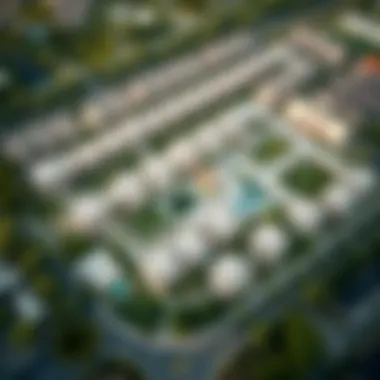

This architectural approach aims to elevate the living experience, making it not just a choice of where to dwell but enhancing the overall quality of life.
Landscaping and Green Spaces
Landscape design plays a pivotal role in the Parkside 1 Master Plan, as it harmonizes built environments with nature. The planners understand that greenery is essential for mental well-being and the overall aesthetic appeal of the area. Here’s a look at how landscaping contributes to this project:
- Bio-diverse Plant Selection: Local flora is prioritized to promote native wildlife, ensuring the environment thrives. Gone are the days of generic plantings; every species chosen serves a purpose, be it shade, beauty, or habitat.
- Recreational Areas: Parks and open spaces are key features. They combine walking paths with interactive spaces for children, adults, and even pets. Residents are bound to find spots that speak to relaxation and gathering.
- Water Features: Lakes or ponds naturally integrated into the landscape not only elevate visual appeal but also support local fauna. This idea of blending functionality with beauty resonates well with urban planners and citizens alike.
The foresight in landscaping showcases a commitment to sustainability and livability that resonates with today’s urban dweller.
Public Infrastructure
Investing in Public Infrastructure is vital for ensuring that the Parkside 1 Master Plan is not just aesthetically pleasing but also practical. This focus stands out in a crowded market of developments.
- Accessibility: Designed with public transport in mind, the integration of bus and metro links offers residents ease of mobility. The layout boasts wide walkways and cycling tracks, encouraging green modes of transport.
- Amenities: Essential services, from schools to healthcare facilities, are strategically located within reach. This underscores the importance of a community that supports its residents in all aspects of life.
- Technological Integration: Smart technology solutions for waste management, energy conservation, and even traffic control ensure that the development is future-ready.
"A well-planned infrastructure is like the backbone of a community; it supports and nurtures growth, enhancing the quality of life for its inhabitants."
The emphasis on public infrastructure ensures a balanced growth and a well-functioning community, making it attractive for potential investors and homebuyers alike.
Community Engagement
Community engagement is a cornerstone of urban development, especially in projects like the Parkside 1 Master Plan. Engaging the community not only fosters a sense of ownership among residents but also ensures that the development aligns with their needs and aspirations. In an ever-evolving city like Dubai, where new projects can spring up overnight, effective community engagement becomes instrumental in creating conducive environments that thrive on collaboration and harmony.
One of the key elements of community engagement in the Parkside 1 Master Plan revolves around transparency. By keeping residents informed and involved at every stage of planning and development, the trust between developers and community members is strengthened. This two-way street fosters a healthy dialogue that can lead to innovative solutions to local challenges. Furthermore, it helps mitigate resistance to changes by ensuring that the community's voice is considered.
Several benefits arise from robust community engagement:
- Inclusivity: Involving a diverse range of stakeholders helps capture varied perspectives, making the planning process more comprehensive.
- Enhanced Livability: Feedback from residents can lead to enhancements in community spaces, green areas, and public transportation facilities, contributing to a better quality of life.
- Civic Pride: When community members feel they have a stake in the project, it often leads to increased pride in their neighborhood, encouraging them to care for and maintain their surroundings.
Communities that engage effectively in planning processes often find their voices leading to sustainable and successful developments.
Additionally, economic benefits cannot be overlooked. When developers prioritize community feedback, they can tailor amenities and services to meet local demands. This not only boosts property values but also attracts businesses looking to capitalize on a thriving neighborhood. Therefore, understanding community needs directly correlates to economic viability and success of the Parkside 1 project.
In summary, community engagement in the Parkside 1 Master Plan is vital. It adds depth and meaning to the development process and aligns it more closely with the aspirations of those who inhabit the area.
Stakeholder Involvement
Stakeholder involvement is a defining feature of the Parkside 1 Master Plan, playing a critical role in ensuring the project is successful. This concept encapsulates a broad range of individuals and groups, including residents, local businesses, government agencies, and non-profit organizations, all of whom have a vested interest in the development. Each stakeholder brings their own insights, concerns, and expertise, which can significantly enhance the planning process.
Engaging stakeholders early in the process is crucial. For instance, resident input can highlight local issues that planners might overlook, such as road safety or the need for community centers. Meanwhile, insights from local businesses help shape commercial amenities that meet potential customer needs. Government agencies can provide regulatory guidance, ensuring that what gets built fits within existing laws and zoning regulations.
Feedback Mechanisms
Feedback mechanisms form the backbone of effective community engagement, enabling developers to gauge public sentiment and make necessary adjustments to their plans. Various methods can be employed to collect feedback:
- Public Meetings: These forums provide a space for residents to voice their opinions and ask questions.
- Surveys and Questionnaires: Digital or paper-based surveys can reach a wider audience and gather quantifiable data on community preferences.
- Social Media Platforms: Using platforms like Facebook or specialized forums like reddit.com can encourage discussions and allow for informal feedback.
By implementing these mechanisms, stakeholders have their concerns addressed promptly, and developers can create a more responsive plan. This back-and-forth creates a dynamic where the community feels heard and valued.
Economic Implications
The economic implications of the Parkside 1 Master Plan are crucial for understanding its potential to influence the local market and community. This section delves into the nature of investment opportunities and market trends that arise from this development. With Dubai's real estate being a touchstone for growth in the region, Parkside 1 stands as a significant player in shaping the landscape of the city. How the project interacts with the existing economy, and its forecasted trajectory can provide insight for investors and stakeholders alike.
Investment Opportunities
Investment opportunities in the Parkside 1 Master Plan are ripe for various stakeholders. Given that Dubai is often viewed as a hub for global finance and trade, the plan has drawn considerable attention from both local and international investors. Potential opportunities include:
- Residential Properties: With a blend of apartments and villas catering to different demographics, investors may find lucrative rental yields. The growing population in Dubai necessitates varied living options, thus ensuring consistent demand.
- Commercial Ventures: The integration of retail, office spaces, and leisure amenities creates synergies that can lead to profitable ventures. The planned mixed-use environment draws not only residents but also visitors, enhancing foot traffic and overall profitability.
- Long-Term Growth: Investing in projects at this stage allows for capital appreciation over the years. As Parkside 1 develops, its valuation is expected to rise, making early investments particularly rewarding.
In addition, the supportive policies and incentives from the Dubai government encourage foreign investments, further sweetening the pot. Local businesses too stand to gain from increased clientele stemming from new residents and visitors enrich the area economically.
Market Trends Analysis
Understanding market trends related to Parkside 1 unveils the broader implications for Dubai’s real estate landscape. Here are some noteworthy trends:
- Increased Demand for Eco-Friendly Developments: Consumers today are more inclined to support sustainable developments. The Parkside 1 plan incorporates green spaces and eco-friendly practices that align with shifting buyer preferences, thus enhancing its marketability.
- Technological Integration: The evolution of smart technologies in real estate influences buying decisions. Parkside 1’s attention to integrating smart home features is a clear nod towards meeting modern buyer expectations, likely drawing in tech-savvy investors and residents.
- Post-Pandemic Recovery: As the world seems to be recovering from the pandemic, there has been a noticeable uptick in property inquiries and transactions as people reassess their needs in terms of space, comfort, and location. Parkside 1 can capitalize on this momentum as it represents a fresh opportunity in this recovering market.
The interplay of these trends indicates that Parkside 1 is not just another development but a potentially lucrative investment, aligning with the progressive trajectory of Dubai after unprecedented challenges.
Environmental Considerations
In the context of modern urban development, paying heed to environmental considerations is crucial. The Parkside 1 master plan serves as a case study for integrating sustainable practices into the architectural framework. This section examines the core aspects of environmental impact, emphasizing the balance between development needs and ecological preservation.
Sustainable Practices
Implementing sustainable practices is fundamental in decreasing the environmental footprint of construction projects. Parkside 1 adopts a strategy that champions the use of renewable resources, minimizing energy consumption while maximizing functionality. Adopting energy-efficient technologies, such as solar panels and rainwater harvesting systems, not only contributes to sustainability but also serves to lower operational costs over time.


Moreover, the plan incorporates the use of locally sourced materials. This reduces transportation emissions and supports local economies, further enhancing the project's environmental value. The commitment to green certifications—such as LEED (Leadership in Energy and Environmental Design)—will position Parkside 1 among environmentally conscious developments in Dubai. This is not just about adhering to regulations; it's about fostering a culture of sustainability that resonates with investors and buyers alike.
Impact on Local Wildlife
Wildlife conservation is an often overlooked element in urban planning. The Parkside 1 master plan considers the impact on local wildlife by prioritizing habitat preservation. The landscaping will feature native flora, providing essential habitats for local fauna while requiring less water and maintenance, thereby supporting local ecology.
To further mitigate disturbances, the plan implements buffer zones and green corridors. These areas ensure that animals can navigate their habitat safely without direct interference from urban activities. This strategic approach not only fosters biodiversity but also enriches the aesthetic value of the community.
"A development that respects its natural surroundings enhances both its cultural significance and environmental sustainability."
The approach taken by the Parkside 1 master plan exemplifies an understanding that urban environments do not exist in isolation. Rather, they are part of a broader ecological framework where every action can have far-reaching consequences. Thus, ensuring the well-being of local wildlife through thoughtful development is not just an ethical obligation; it is a necessary measure in crafting a legacy that future generations can be proud of.
In Summary
Grasping the importance of environmental considerations within the Parkside 1 master plan not only benefits the community but also enhances the project's viability in the competitive Dubai real estate market. By embedding sustainability into every aspect—from practices to wildlife impact—this master plan stands as a forward-thinking blueprint that other developments may well look to emulate.
Regulatory Framework
The regulatory framework surrounding the Parkside 1 Master Plan serves as a cornerstone for its development and sustainability. In the realm of real estate, understanding regulatory nuances is not just beneficial; it’s crucial. This framework encompasses various guidelines and regulations that ensure the project's alignment with local laws and standards, ultimately safeguarding stakeholders' investments and promoting community welfare. As Dubai continues to evolve as a prominent global city, navigating this complex web of regulations becomes a central theme in any comprehensive analysis of significant projects such as Parkside 1.
Being informed about the regulatory environment helps prospective buyers, investors, and real estate agents grasp potential challenges and opportunities that can influence their decisions. The significance of adhering to zoning laws and building codes cannot be understated, as these elements directly impact the master plan's feasibility and efficiency.
"A thorough understanding of the regulatory framework reduces uncertainty and enhances confidence among investors and buyers in the real estate market."
Zoning Laws
Zoning laws are instrumental in shaping the landscape of urban development, and the Parkside 1 project is no exception. These regulations dictate the types of activities permitted in specific zones, effectively steering the area's growth in a direction that aligns with broader urban planning goals. For Parkside 1, this means coordinating with existing residential zones, educational institutions, commercial spaces, and parks.
Understanding the nuances of these zoning laws can reveal the breadth of possibilities for developers. For instance, residential zones often dictate the density of prospective buildings, while commercial zones might include clauses that determine the types of businesses allowable. A well-planned zoning strategy enhances seamless integration into the community, maintaining character while fostering economic growth.
Some key considerations within the zoning laws that impact Parkside 1 include:
- Land Use Variability: Each zone has specific land use types, which can affect property values and desirability.
- Height Restrictions: Buildings must comply with height regulations to ensure aesthetics and light availability.
- Density Limitations: Controls the volume of housing or businesses permitted within a certain area, ensuring ample space and infrastructure.
These regulations are not merely bureaucratic hurdles; rather, they form a roadmap for future growth that can enhance the investment's attractiveness to both buyers and investors.
Building Codes Compliance
Building codes are meticulously designed standards that dictate how structures must be built to ensure safety, health, and general welfare. For Parkside 1, compliance with these codes will play a pivotal role in determining the project's integrity and safety. Navigating building codes means ensuring the materials used, design methodologies, and overall construction processes meet the required local and federal safety standards.
Engaging with building codes means not only compliance but also an opportunity for innovation. For instance, the use of advanced materials and sustainable practices as part of code compliance can lead to cost savings and increased long-term value. Some critical aspects of building codes that developers need to consider include:
- Safety Standards: Regulations ensuring structures withstand local environmental conditions, such as floods or winds.
- Accessibility Requirements: Ensuring buildings are accessible to all individuals, including those with disabilities.
- Energy Efficiency Guidelines: Regulations promoting sustainable constructions and decreasing environmental impact.
Timeline and Development Phases
Understanding the timeline and development phases of the Parkside 1 Master Plan is crucial for grasping how this ambitious project evolves from concept to reality. This section lays the foundation for stakeholders, who need insight into key progress markers and the anticipated phases that dictate project delivery. Knowing these timelines can help investors make informed decisions, offer buyers an understanding of when they might join the new community, and set expectations for the general public about the exciting changes coming to the area.
A well-structured timeline is essential for efficient project management. It provides a roadmap, showcasing when certain milestones will be reached, thus ensuring that all parties remain aligned. A clear timeline also helps in resource allocation and can prevent potential delays that might arise due to unforeseen circumstances.
Project Milestones
When we discuss project milestones, we acknowledge significant achievements that pave the way for subsequent developments. These milestones act as markers to measure the progress of the Parkside 1 Master Plan, ensuring that the project remains on track.
A few notable project milestones may include:
- Completion of preliminary designs: The initial design phase sets the tone, allowing urban planners and architects to develop a cohesive vision.
- Approval from local authorities: Gaining all necessary permits and approvals is critical. Delays in this phase can lead to shifts in the timeline.
- Groundbreaking ceremony: Signifying the start of construction, this event often garners media attention and public interest, further validating the project’s significance.
- Completion of infrastructure works: Such as utilities, roads, and public transport links, ensuring proper connectivity and accessibility once the main project kicks off.
These milestones help maintain momentum in the development process, while also providing transparency to the community. Stakeholders can review these moments as points of reflection, assessing if the project is meeting its planned deadlines.
Expected Completion Dates
Completion dates play a pivotal role in managing expectations for everyone involved with the Parkside 1 Master Plan. They give a rough idea of when the project’s various components will be finished and ready for use. While exact dates may shift due to various factors, such as construction delays or changes in strategy, estimating these timelines is a crucial part of planning.
The general timeline for completion might be divided into phases include the following:
- Phase 1: Expected to last approximately 18 months, focusing on core infrastructure development.
- Phase 2: This phase might include residential units, set to begin right after infrastructure completion, estimated to take another 24 months.
- Phase 3: Final touches on public amenities and green spaces, typically taking around 12 months following the completion of residential builds.
Ultimately, being aware of these expected completion dates provides potential buyers and investors with crucial parameters for gauging their involvement in the Parkside 1 Master Plan. Furthermore, it supports a more structured development process, aiming to fulfil the myriad promises made to the community and stakeholders alike.
"Knowledge of timelines not only guides developers, but also builds community trust in the project and fosters more robust engagement."
Being well-informed on the milestones and the completion phases assures participants in the community about progress, outlining a shared excitement for what lies ahead in the Parkside 1 Master Plan and the opportunities it associates.
For more on project management techniques, you might check out resources at Wikipedia or industry insights on platforms like Britannica as they provide valuable context to understand the development landscape.
Integration with Surrounding Areas


The integration of the Parkside 1 Master Plan with its surrounding areas holds paramount importance, not only for the project itself but also for the future of community development in Dubai. This process is about more than just creating physical links; it involves interweaving the fabric of local neighborhoods, ensuring that the development complements and enhances existing infrastructures and communities.
Connectivity and Transport Links
A strong emphasis on connectivity and transport links is essential for the Parkside 1 project to thrive. The accessibility of the development to key transport routes and public transportation hubs significantly enhances its appeal to potential residents and investors.
- Road Network: The project is being designed with a keen eye on existing road networks, allowing for easy access to major thoroughfares. This facilitates swift commutes to and from key business districts, alleviating the notorious traffic congestion often encountered in urban areas.
- Public Transit: Plans are in motion to link the Parkside 1 project with Dubai's extensive metro system, providing convenient transportation options. Integration with the metro will not just ease transportation burdens but will also connect residents with a broader range of amenities.
This approach is not merely about increasing physical connections but also about fostering social interactions within the community. By creating transport links that encourage walking and cycling, the project aims to promote a vibrant neighborhood atmosphere, allowing residents to engage more with their surroundings.
Impact on Neighboring Communities
The impact on neighboring communities is a multifaceted topic, as any new development creates waves of change in the area. Parkside 1 is expected to bring a mix of both positive and considered challenges, warranting a careful look at its implications.
- Economic Growth: The influx of new residents and businesses can stimulate local economies. As the development attracts new investments, nearby shops, services, and amenities are likely to flourish.
- Community Services: There is an opportunity for improved community services, including schools, parks, and recreational facilities. These enhancements will benefit not only Parkside 1 residents but also neighboring communities.
- Social Dynamics: A potential challenge is the strain on existing social structures. Integration efforts must address the potential displacement of longstanding community members and ensure that their voices are heard throughout the planning process.
"Understanding the balance between development and community legacy is crucial. Responsible planning advocates for both growth and preservation."
Overall, the integration of Parkside 1 with surrounding areas is designed to create a symbiotic relationship that benefits all stakeholders. Such a strategy contributes to the sustainability of the community and serves as a model for future projects in Dubai and beyond.
In summary, with intentional planning and community engagement, Parkside 1 could serve as a catalyst for positive transformation, enhancing connectivity while simultaneously fostering a sense of belonging among its residents and neighboring communities.
Challenges and Considerations
The implementation of the Parkside 1 Master Plan comes with its own set of challenges and considerations that must be navigated carefully. Understanding these obstacles is crucial for investors and stakeholders, as they can shape the project’s trajectory and influence its potential success. To ensure the plan meets its intended goals, one has to look beyond just the optimistic forecasts and dig deeper into the practical manifestation of the vision laid out.
Potential Risks
Every ambitious project faces its share of risks. For the Parkside 1 Master Plan, these risks encompass several dimensions:
- Financial Uncertainty: Fluctuating market conditions can adversely affect investment returns. Given the current economic landscape, cost overruns or unexpected market downturns could lead to diminished profits for investors.
- Regulatory Hurdles: Navigating the complex web of zoning laws and building codes can be a daunting task. Changes in regulations or unanticipated legal obstacles could stall progress, leading to delays that might frustrate stakeholders.
- Community Pushback: Engaging the local populace is essential, but it comes with its challenges. If segments of the community feel unheard or negatively impacted by the plan, they may resist its implementation, leading to public relations issues as well as legal challenges.
- Environmental Concerns: Risk also comes from the ecological side. Potential disturbances, such as displacement of wildlife or adverse impacts on local ecosystems, might attract scrutiny from environmental groups and regulatory bodies alike, further complicating matters.
"The future will be shaped not just by our dreams but by the challenges we choose to confront head-on."
Mitigation Strategies
Addressing potential risks is not simply about identifying them but also involves curating effective mitigation strategies. Here are some approaches that can be employed:
- Comprehensive Risk Assessment: Prior to the launch, a detailed risk assessment should be commissioned. This would involve identifying potential pitfalls in various spheres—financial, regulatory, social, and environmental—and creating tailored plans to tackle each.
- Community Engagement Initiatives: Engaging with residents early can lead to valuable insights and foster goodwill. Utilizing surveys, public forums, and advisory committees can ensure that the community feels involved and invested in the plan. Listening to their concerns helps to build a more favorable project image and can mitigate resistance.
- Partnerships with Regulatory Bodies: Establishing strong lines of communication with local authorities can simplify the navigation of compliance. Regular updates and discussions on any changes to the plan can help maintain transparency and foster cooperation.
- Environmental Stewardship: Incorporating sustainable practices in the development can minimize ecological impacts. This might include setting aside green spaces, using eco-friendly materials, and creating wildlife corridors that allow nature to thrive alongside urban development.
By understanding these challenges and implementing tailored mitigation strategies, stakeholders involved in the Parkside 1 Master Plan can work towards realizing a project that not only meets their economic goals but also strengthens community ties and nurtures the environment.
Future Prospects
The future prospects of the Parkside 1 Master Plan play a pivotal role in shaping the broader real estate landscape in Dubai. As this ambitious project takes root, it opens up myriad opportunities not just for investors, but also for community growth and sustainability. Understanding the prospects can aid potential stakeholders in making informed decisions.
Long-Term Vision
The long-term vision of Parkside 1 is laden with potential. It is not just about erecting buildings or creating spaces; rather, it is an intricate endeavor designed to nurture a thriving ecosystem. This vision includes:
- Residential Diversity: A range of housing options is planned to attract various demographics—from young professionals to families. This diversification is essential in creating a community that feels inclusive rather than exclusive.
- Commercial Hubs: Integrating retail and office spaces within the master plan means that residents can enjoy convenience at their doorstep. This helps foster a vibrant community atmosphere, encouraging local entrepreneurship.
- Sustainability Focus: A commitment to sustainable practices ensures that the development is eco-friendly and energy-efficient. Rainwater harvesting systems and solar panels could feature prominently, reducing environmental impact.
- Cultural Enrichment: By incorporating cultural venues, parks, and public art installations, the project aims not just to build homes but to create a sense of belonging and community pride.
Overall, this vision, rooted in authenticity, promotes a lifestyle that accommodates both work and leisure, crucial for a modern urban setting.
Post-Completion Assessment
Once completed, the assessment of Parkside 1 will illuminate the effectiveness of its initial objectives and the practical impacts on the community. This evaluation phase is indispensable for stakeholders aiming to measure success against turnover rates, resident satisfaction, and environmental sustainability.
An effective post-completion assessment might include:
- Occupancy Rates: A high occupancy rate signals demand and success in the attractiveness of the development. Monitoring this figure will help understand market inclinations.
- Community Feedback: Collecting feedback from residents is crucial. Surveys and focus groups can help assess how well the development has met its stated goals of community and connectivity.
- Economic Impact Studies: Investigating the economic ripple effects on neighboring areas and the overall region will provide a clearer picture. Are businesses thriving? Is there an uptick in job creation?
- Environmental Evaluation: Understanding the environmental impact and how sustainable practices are holding up will offer insights into the long-term viability of such initiatives.
"The true measure of a development's success lies in its ability to adapt and flourish in the years following its completion."
Through thorough assessment, future projects can learn from the Parkside 1 experience, enhancing the planning process for upcoming developments in Dubai and beyond.
End
Summary of Key Insights
Throughout this exploration, several key insights have emerged:
- Comprehensive Design: The architectural vision of the Parkside 1 Master Plan stands out due to its integration of green spaces and innovative public infrastructures, aiming to foster a lively community environment.
- Economic Potential: Analysis of investment opportunities reveals that the project is positioned to significantly boost the local real estate market, potentially attracting new investors and buyers drawn to its strategic planning and modernity.
- Community-Centric Approach: The engagement process with stakeholders illustrates a model for effective community involvement, laying the groundwork for sustainable development that addresses the needs and desires of residents.
- Environmental Responsibility: Emphasizing sustainable practices, the plan takes into account the long-term health of local ecosystems while enhancing living conditions for inhabitants.
Overall, these insights not only inform potential stakeholders but also highlight the importance of mindful planning in urban developments.
Final Thoughts on Parkside
In looking toward the future, Parkside 1 emerges as more than just a housing project. It symbolizes a forward-thinking approach to community development, reflecting the broader trends in Dubai’s real estate landscape.
The integration of smart design and community engagement could set a precedent for future projects, suggesting that success lies not only in physical attributes but also in fostering a sense of belonging and unity among residents. As investment opportunities become more apparent and the market anticipates shifts in trends, the Parkside 1 Master Plan stands poised to be a keystone in redefining living spaces within urban environments.
Reflecting on all these elements allows stakeholders to grasp a comprehensive view of the project, ensuring informed decisions and strategic investments in a market that is continually evolving.